




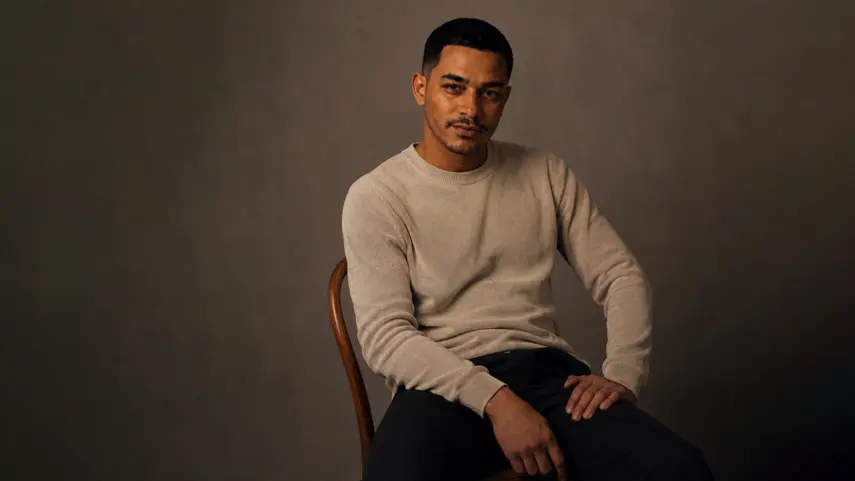
In this candid interview, Jamie Birch traces his songwriting journey from bedroom recordings as a kid to releasing his most vulnerable work yet with his debut album ‘CONFESSIONS.’ Besides that, he breaks down the meaning behind his latest single “MIST,” introduces his alter egos, and shares why owning his mistakes became the album’s central message. Happy reading!
1. You’ve been writing songs since you were just 11 years old with a childhood friend. What do you remember about those early days, and when did you realize songwriting was becoming more than just a hobby?
I have a vague memory of writing a song called “Thinking of You” in my bedroom with Carla and singing melodies with each other and recording it on my Sony Erikson phone and showing it off to people at school. During that process, Carla and I were quite specific with the details and made sure the song sounded like it made sense and it was in tune.
I wasn’t as confident as a singer as Carla was, so I almost found my confidence through her at a young age. She was perfect at creating that space of being non-judgmental and going with the flow that made it so easy to be creative with her.
Her confidence was always an inspiration. She was never someone who was like, ‘Hey, I can sing,’ but others would get her to sing in school, and she would just get up and sing like, ‘OK, sure,’ in a calm, shrugging-her-shoulders sort of way.
We did musicals and joined choirs together, so she was almost my partner in crime when it came to singing. Some of the best days growing up.
Songwriting was always a way of expressing how I felt without having to talk about it. I did a lot of emotional processing alone through different outlets, and songwriting was one of them. I’ve never considered songwriting a hobby; it’s always been a part of who I am. I’ve always loved creating stories or worlds and living in them.
2. Would you say you consider yourself a songwriter first and a singer second? Is songwriting something that naturally develops over time, or do you think it also requires formal study?
Yes, I would. Songwriting for me is the beginning of the story. Singing is the delivery of the story, as is the production. Every instrument you hear or ad-lib in a song is just as important because it expresses or highlights a moment.
For me, the more I live life, the more songwriting develops with experience. The more you observe people and process your own emotions with honesty, the stronger your songwriting gets because ultimately I want to connect with someone who might be experiencing something similar.
I think it’s definitely important to study songwriting to understand structure, technique, and different styles. I’m completely self-taught, and authenticity is my number one goal.
I can take inspiration from Beyoncé, for example, in how she has put a song together. Which analogue sounds did she use? What sound delivered the message and why? How did it land for me? Could I use that emotion differently? Those are the questions I ask because ultimately it’s my story to tell.
3. After writing music for so many years, what made this the right time to finally step into the spotlight and release your own songs?
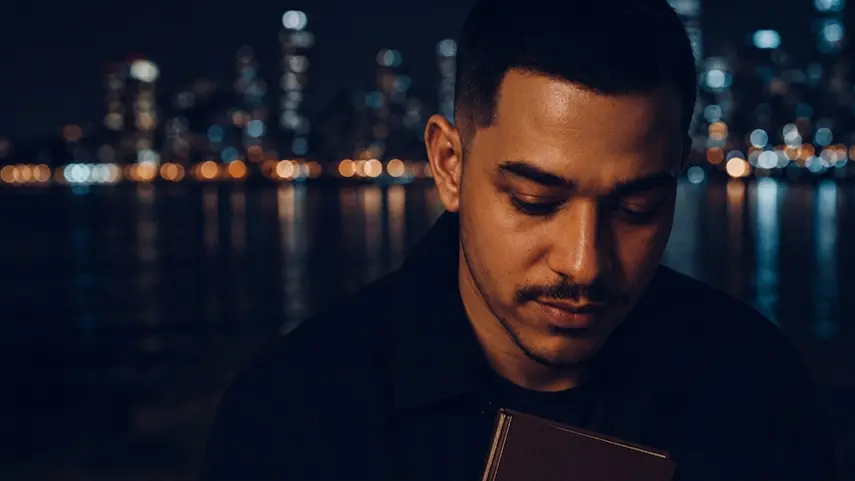
I feel like the journey I’ve been on over the last decade was one I wanted to tell. A lot happened during that time, and songwriting became the outlet for processing it.
When I listened back to the songs, I was proud of them and wanted to share them because I thought about someone who might need to hear one of these stories. Whether it’s about a breakup, becoming sober, realising the importance of your own sacred space, being angry at the world or recognising your own worth, I wanted to alchemise all of that into songs that could connect with others.
It also felt like the perfect way of bookending that chapter of my life.
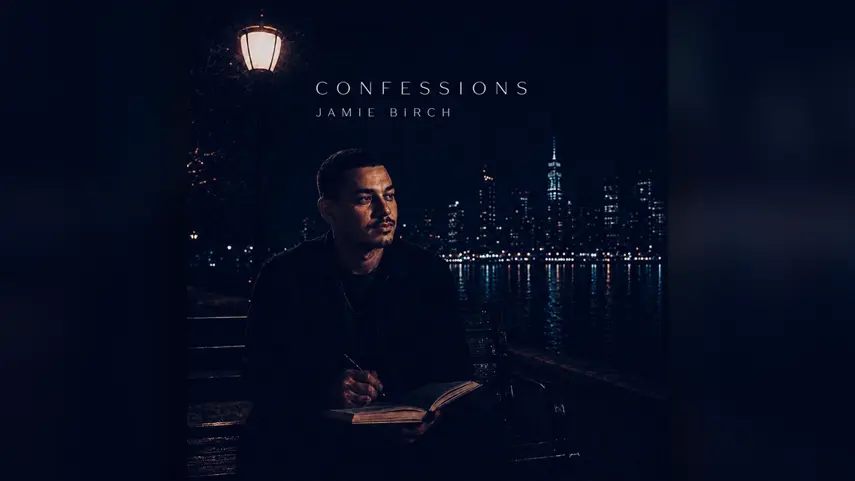
4. Why is your debut album called ‘CONFESSIONS’? Did you build it around one specific concept, or are the songs quite different from each other?
The title came quite naturally because I was talking about things I don’t usually discuss with other people in such depth. I can go deep, and during social interactions I know that can sometimes be saturating.
There are also things I discuss that are slightly embarrassing, like my addiction issues, so I really am baring my soul.
I’m very much a ‘why’ person. Yes, this happened—but how did I get here? This album explores that. It was almost confessing to myself and having honest conversations about my own actions.
The songs are all part of that concept and weave into each other. The track listing is important because I wanted songs to speak to one another lyrically. The album is one continuous story.
5. Are all your songs based on real experiences, yours or someone else’s?
Most of my songs come from my own experiences. There are a couple inspired by someone else, but usually I’ve experienced something similar.
“Hmmm” is about someone close to me. Their situation inspired the song, and I thought about how many people go through something similar. The song is from my perspective but based on their circumstances.
About 80 percent of my songs are based on my own experiences. “Stay With Me” was actually written around 13 years ago when I was 23. I’d never been in love then, so it was inspired by a friend’s experience.
6. How do you decide which stories you tell as yourself versus through Trixè or Dianna, and does writing as them change your process at all?
This is where things get interesting because Trixè and Dianna are like my alter egos.
I’ve always been inspired by women—from my mum, Babs, to Beyoncé and my friend Carla—so naturally my alter egos became women.
Dianna is the K-pop princess inspired by my niece. She represents the bubbly, upbeat side of me. Writing for her is about catchy songs with a different structure, and I mostly write her songs in Korean because I want to respect that genre.
Trixè is the sultry, flirty, sassy woman who’s also got something to say. She’s the easiest for me to write because she reflects a huge part of my personality. I’ll often finish a song and realise it belongs to Trixè.
When I’m writing from my deepest emotions, those songs usually become Jamie Birch songs. Trixè is an amalgamation of many female artists who inspire me mixed with my own personality.
I’m emotionally deep, and people have often said I don’t think like a man. Some songs simply land better through Trixè than they ever would coming from me. Singing about “Caramel” on my own album definitely wouldn’t have worked!
7. From the album, you’re currently promoting “MIST,” and it feels like one of your most personal songs yet. What made you want to put that story out there rather than keep it private?
I’m not the only person who has struggled with addiction. Someone out there has probably blown their life up because of it, so I wanted them to know they’re not alone.
I wanted people to hear that I’d been there too, owned it, sorted myself out and moved forward. The song is also about not beating yourself up forever. We’re all human, and we all make mistakes. If you can learn from them and grow, then maybe they weren’t mistakes after all—they were lessons.
8. Was there a moment while writing or recording “MIST” where you almost pulled back from being that direct?
Actually, no. When I’m making a song, I just let everything out. Songwriting has always been my outlet.
I do cringe sometimes when I look back at lyrics because I’m in a much stronger place now, but once the song comes together I realise it was meant to come out that way.
Authenticity is the glue that holds this album together.
9. In general terms, what’s MIST trying to say through its lyrics?
You can make mistakes, own them, and still be a good person.
It also asks people to look at those around them because the mist can cloud them too. If someone is making a difficult situation worse instead of helping, it’s important to recognise that.
Addiction creates a heavy mist. It affects your health, your relationships, how you see others and how others see you. Everyone’s journey is different, but mistakes do not define who we are.
10. If someone listens to ‘CONFESSIONS’ front to back and takes away just one thing, what do you hope that is?
To be honest with yourself and recognise how you affect other people’s lives.
I pride myself on looking within and taking on board what others have said to me. You have to own your part. Sometimes we see situations through fear, anxiety or hope rather than truth.
That’s why I ended the album with “Wishing The Universe Well.” It’s about recognising that everyone is dealing with their own struggles. Sometimes life feels against you, but a year later you look back and realise you made it through.
CONNECT WITH JAMIE BIRCH

Hi, I’m Erick Ycaza — a music blogger with a BA in Advertising & Graphic Design. I created this blog to keep you updated with daily music news. Surprisingly, I’ve been writing about music since 2007. If you’re an artist and would like to be featured, feel free to reach out: info@electrowow.net