
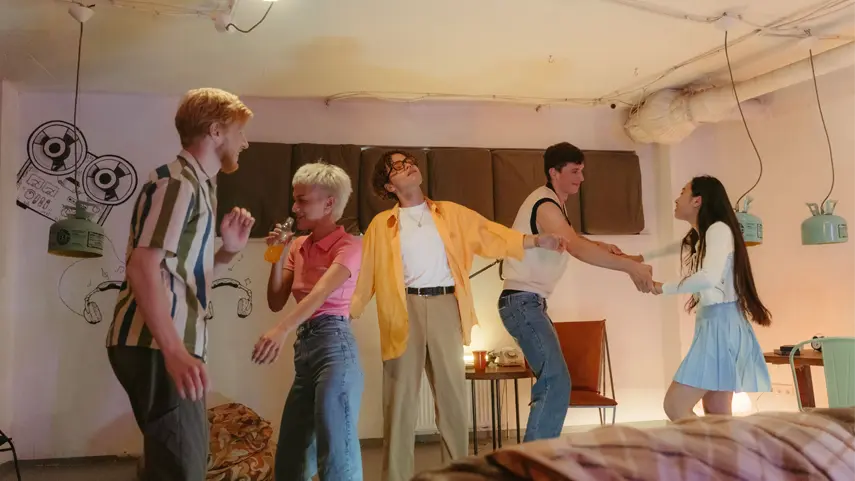
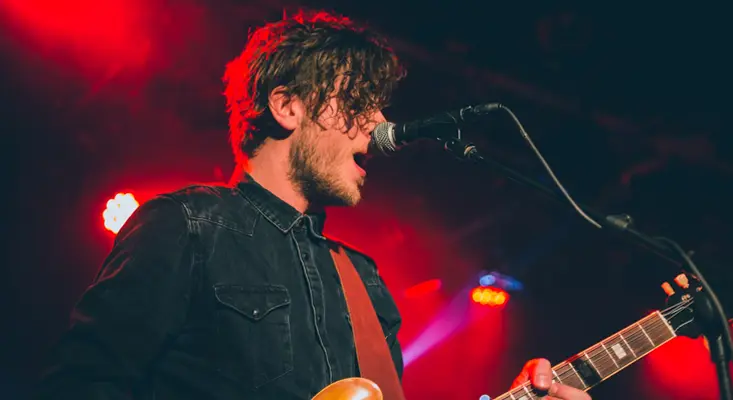


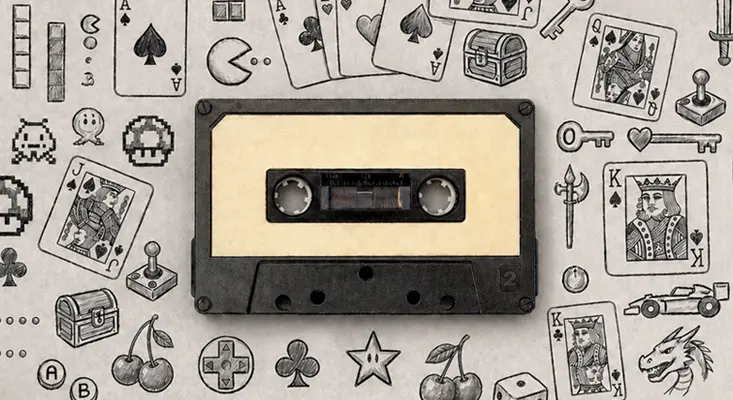
Music plays a central role in shaping the gaming experience. From setting the tone of a scene to enhancing emotional engagement, soundtracks have become a defining feature of modern games. As highlighted by Rolling Stone, music has been behind some of the most memorable milestones in gaming history, influencing how players connect with characters, worlds, and narratives. Iconic tracks and carefully curated sound design help create immersive environments that keep players engaged.
As gaming has evolved, so has the role of music within it. Today, popular songs and collaborations with well-known artists are increasingly common, especially in online gaming environments. This has led to a growing need for structured music licensing agreements, which ensure that artists are fairly compensated while developers can legally incorporate music into their titles.
Understanding Music Licensing in Gaming
Music licensing agreements allow game developers and platforms to use copyrighted music within their products. These agreements are typically negotiated between rights holders, such as record labels, music publishers, and sometimes the artists themselves, and the gaming company. As outlined by the Musicians Institute, music copyright is divided into distinct ownership rights, which must be clearly defined before any usage is approved.
There are usually two main types of rights involved. The first is the master recording right, which covers the specific recorded version of a song and is often owned by a record label. The second is the publishing right, which relates to the underlying composition, including lyrics and melody, and is typically controlled by songwriters and publishers. Both rights must be secured before a track can be used in a game, and each may involve separate negotiations and royalty agreements.

Licensing agreements also define how royalties are generated and distributed. These can include upfront licensing fees, performance royalties, and usage-based payments, depending on how the music is integrated into the game. In addition, contracts outline how the music will be used, how long it can be included, and in what regions it can be distributed. This ensures that all parties benefit from the collaboration while maintaining clear legal and financial structures.
The Growing Connection Between Gaming and Music
The relationship between gaming and music has expanded significantly in recent years. The World Intellectual Property Organization explains how partnerships between music companies and gaming platforms are becoming more strategic and long-term. These collaborations allow artists to reach new audiences while giving games access to high-quality, recognizable music.
A notable example is the partnership model developed by Warner Music Group in the esports space. This approach focuses on integrating music into gaming experiences through events, digital content, and in-game features. By combining entertainment formats, these partnerships create new opportunities for both industries.
This trend reflects a broader shift where gaming is seen as a major platform for music discovery. Players are introduced to new artists while engaging with interactive content, creating a mutually beneficial ecosystem.
How Licensing Works with Online Gaming Platforms
Online gaming platforms often work with established game developers who already have licensing agreements in place. These developers secure the rights to use music within their games, which are then distributed through various platforms. This is why Megabet partners with leading developers like Pragmatic Play and Evolution. These developers include music as part of their game design, ensuring that all tracks used are properly licensed.

The process typically involves several steps. First, developers identify the type of music that fits the game’s theme and audience. They then negotiate licensing agreements with rights holders. Once approved, the music is integrated into the game, often as background tracks, feature sound effects, or part of interactive gameplay elements.
Online platforms host these games and make them available to players. Because the licensing is handled at the development level, platforms can offer a wide range of titles with music already cleared for use. This ensures compliance while providing a seamless experience for users.
Revenue Sharing and Artist Benefits
Music licensing agreements also define how revenue is shared between parties. Artists and rights holders receive payments based on how their music is used. This can include upfront licensing fees, royalties based on usage, or a combination of both.
For Pop musicians, gaming offers a valuable additional revenue stream. Their music can reach global audiences through online platforms, increasing exposure and engagement. In some cases, tracks featured in games gain popularity outside the gaming environment, leading to increased streaming and downloads.
These agreements also allow artists to maintain control over how their music is used. Licensing terms can specify the context in which a song appears, ensuring that it aligns with the artist’s brand and image.
The Future of Music Licensing in Gaming
As gaming continues to grow, music licensing is expected to become even more sophisticated. Advances in technology, including AI and real-time streaming, are creating new ways to integrate music into interactive experiences. A paper from ResearchGate also highlights how virtual reality and AI are being used to create immersive, interactive music environments, where sound adapts to user behavior and enhances engagement. These developments are shaping more dynamic audio experiences in gaming, allowing music to respond in real time to gameplay and player interaction, which will influence how licensing agreements are structured in the future.

Future agreements may include dynamic licensing models, where music adapts to player actions or game environments. This would create more immersive experiences while opening new opportunities for artists and developers.
The continued collaboration between the music and gaming industries highlights the importance of clear and effective licensing structures. These agreements ensure that creativity can flourish while maintaining fair compensation and legal compliance.
Conclusion: A Collaborative Ecosystem
Music licensing agreements play a crucial role in connecting Pop musicians with the gaming industry. By establishing clear terms for usage, compensation, and rights management, these agreements enable successful collaborations between artists and developers.
From major partnerships to platform-level integrations, music continues to enhance the gaming experience while providing new opportunities for artists. As both industries evolve, their relationship will remain a key driver of innovation, creating engaging and memorable experiences for audiences worldwide. Here at Electro Wow, we have all the latest music news and trends.

Hi, I’m Erick Ycaza — a music blogger with a BA in Advertising & Graphic Design. I created this blog to keep you updated with daily music news. Surprisingly, I’ve been writing about music since 2007. If you’re an artist and would like to be featured, feel free to reach out: info@electrowow.net